

In a recent conversation with a project manager, it was clear she was visibly frustrated. For two years, she’d been collaborating with colleagues in Singapore. She sent enthusiastic thank-you emails after every deliverable, expressed gratitude in team meetings, and made a point of acknowledging everyone’s contributions.
Yet something felt off. Her messages seemed to land in a void. The responses were brief, and a bit curt. She started wondering if her work was even valued.
“Do they even notice what I’m doing?” she asked me. “Am I invisible to this team?”
Fortunate for us both, I had been doing some research previous to this conversation about gratitude across different cultures. As we unpacked the situation together, a pattern emerged that had nothing to do with her performance – and everything to do with cultural communication styles.
Her Singapore-based teammates absolutely valued her work. But in their professional culture, appreciation isn’t typically conveyed through verbal or written affirmations. Instead, it’s demonstrated through action – staying late to meet her deadlines, volunteering for tasks that would lighten her load, proactively solving problems before she had to ask.
She was searching for words of affirmation. They were offering acts of service.
Neither approach was wrong. They were simply speaking different dialects of the same language: workplace gratitude.
This disconnect is more common than you might think – and it’s becoming increasingly relevant as our professional worlds expand beyond geographic boundaries.
The Appreciation Gap: When “Thank You” Doesn’t Translate
What we do know is that every professional culture values recognition and appreciation. That’s genuinely universal.
But what’s not universal? How we express it, receive it, and interpret it.
In North American workplaces, expressions of gratitude are frequent and expected. We thank the barista, thank colleagues for attending meetings, thank vendors for sending invoices on time. It’s reflexive – almost transactional. We frame it as social debt: “I owe you one.” “You’re a lifesaver.”
This frequency can actually dilute the impact. When everything warrants a “thanks,” does anything truly stand out?
Meanwhile, in many other professional contexts around the world, that constant stream of verbal appreciation would feel strange – or even inappropriate.
A Global Perspective on Workplace Recognition
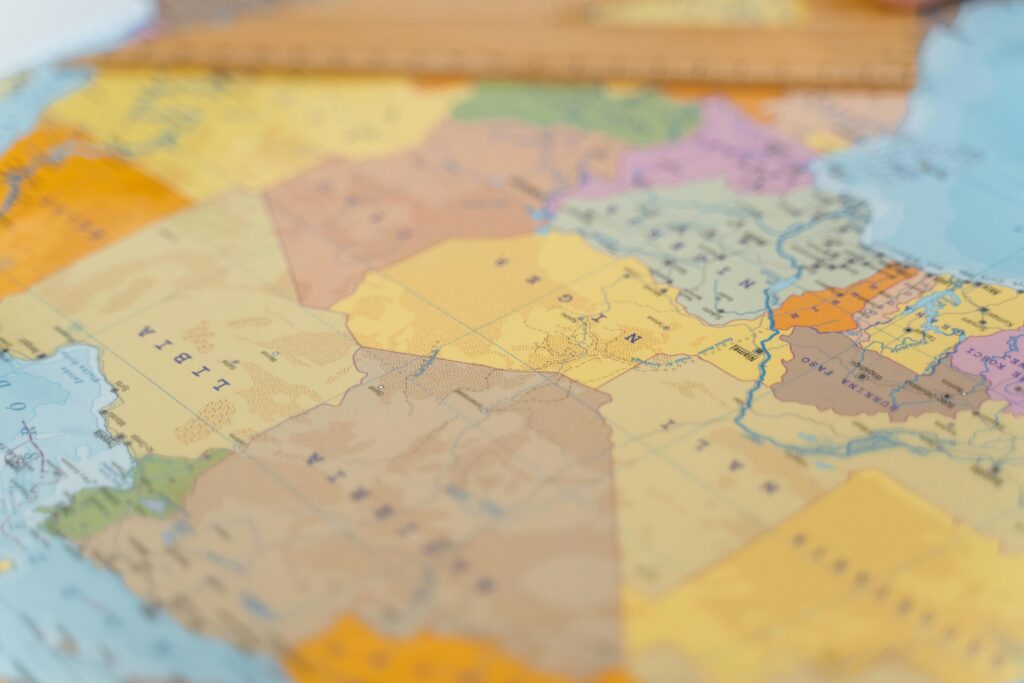
Through my research and client conversations, I’ve discovered some striking differences in how various cultures approach professional gratitude:
North America (Canada & US)
Verbal and written thank-you’s are standard practice. We express appreciation often, casually, and publicly. The tone is warm but transactional. Recognition is explicit.
East Asia (India & China)
Within established working relationships, gratitude is often implicit rather than stated. Expressing thanks for routine collaboration can inadvertently signal distance – as if you’re treating a trusted colleague like an external service provider.
Consider this parallel: if your spouse suddenly started formally thanking you every time you passed them something at dinner, you’d likely sense something was amiss. That’s the undercurrent in professional contexts where gratitude is assumed to be embedded in the relationship itself, demonstrated through ongoing reciprocity rather than verbal acknowledgment.
Northern Europe (Switzerland, Germany, Austria)
In many Northern European business environments, recognition from leadership isn’t necessarily expected for standard job performance. Doing your job well is the expectation. Explicit praise is typically reserved for truly exceptional circumstances.
One gentleman from Hamburg once explained it this way: “If my manager stays silent, that means everything is fine. Silence is approval. Feedback comes when something needs correction.”
For professionals raised in cultures where regular positive reinforcement is the norm, this can initially feel cold or withholding. But it’s simply a different operating system – not better or worse, just different.
Southeast Asia (Singapore)
Acts of service reign supreme as the preferred appreciation language. Actions speak far louder than words. Taking on additional responsibilities, offering assistance without being asked, making someone’s workload lighter – these gestures communicate deep respect and gratitude.
East Asia (South Korea)
Written recognition carries extraordinary weight, particularly because it’s relatively rare. A handwritten note from a supervisor can be more impactful than months of verbal praise. The permanence and intentionality of written words make them especially meaningful.

Why This Matters in Today’s Workplace
Think about your typical workweek. You might start Monday with a video call including team members in Manila, Delhi, and Frankfurt. Tuesday brings a client presentation to stakeholders in São Paulo. Wednesday involves vendor negotiations with a company based in Seoul.
This is the new normal – and simply defaulting to “be professional and courteous” no longer covers the complexity of these interactions.
Cultural intelligence isn’t just a nice-to-have soft skill. It’s fundamental to effective collaboration, team cohesion, and professional relationships that span continents.
What registers as warm and collegial in one context might feel intrusive or overly familiar in another. What seems appropriately respectful to you might come across as distant or cold to someone else. The challenge isn’t that anyone is doing it “wrong”- it’s that we’re all operating from different cultural frameworks, often without realizing it.
Practical Strategies for Cross-Cultural Appreciation

So how do you navigate this complexity without constantly second-guessing yourself? Here are three approaches that actually work:
1. Create space for direct conversation
Early in a professional relationship – whether it’s a new team member, client, or cross-functional partner—make it standard practice to ask about communication preferences.
“I want to make sure I’m communicating in a way that works for you. How do you prefer to receive feedback? What does recognition look like in your ideal working relationship?”
This isn’t awkward. It’s thoughtful. It signals cultural awareness and genuine interest in the other person’s experience. Most people will appreciate being asked – and their answers will often surprise you.
2. Expand your appreciation repertoire
Words are just one option in a much larger toolkit. Recognition can take many forms:
- Quality time: Focused one-on-one conversations, informal coffee chats, dedicated attention
- Acts of service: Offering help, taking tasks off someone’s plate, solving problems proactively
- Tangible support: Resources, opportunities, introductions, mentorship
- Public acknowledgment: Team recognition, highlighting contributions in group settings
- Private recognition: Personal notes, quiet conversations, individual appreciation
Pay attention to how your colleagues express appreciation to each other. Their patterns will reveal their preferences. Someone who regularly stays late to help others likely values acts of service. Someone who sends thoughtful follow-up messages probably appreciates written recognition.
3. Default to authenticity
When you’re uncertain about cultural nuances – and let’s be honest, we all are sometimes – genuine intent tends to transcend specific customs.
If you’re sincerely trying to show respect and appreciation, even if you don’t get every cultural detail exactly right, most people will recognize your good faith effort. Authenticity and humility go a long way.
The person who acknowledges “I’m still learning about how to best work across our cultural differences, so please let me know if I miss the mark” will almost always be met with grace and understanding.
The Bottom Line

Appreciation is a universal human need. We all want to feel valued for our contributions, recognized for our efforts, and respected by our colleagues.
But the expression of that appreciation? That’s where beautiful, sometimes challenging, cultural diversity shows up.
The next time you’re about to thank a colleague, consider pausing for just a moment. Think about their cultural context. Consider your relationship. Reflect on what you know about their preferences.
That small moment of mindfulness might be the difference between genuine connection and unintended confusion.
And in our increasingly interconnected professional world, that awareness isn’t just courteous – it’s essential.
About the Author
Trina Boos is the Founder and CEO of Boost Academy of Excellence, where she helps professionals master workplace etiquette and business skills for today’s evolving work environment. Drawing from her experience as former CEO of Boost Agents, Trina has placed thousands of professionals in leading organizations across North America.
Want more workplace insights like this? Subscribe to our newsletter for practical tips delivered directly to your inbox.
Learn more about our training programs:
– Corporate Training Programs
– Individual Courses
Connect with Trina on LinkedIn
