

Ask ten people to define “professionalism”, and you’ll get ten different answers. Ask ten people from different generations, and the gap gets even wider.
This isn’t a new observation. But it is a common source of workplace friction – one that plays out in small, daily moments that quietly erode trust, damage relationships, and leave both sides feeling misunderstood.
The definition you learned depends on when you learned it
Every generation enters the workforce and absorbs an unspoken set of rules – what respect looks like, how communication should work, what it means to “show up.” Those rules feel obvious and universal. They aren’t.

Boomers and Gen X built their careers in environments where formality was currency. Arriving early, dressing the part, communicating through proper channels – these weren’t just habits. They were how you signalled that you were serious, reliable, and worth investing in.
Millennials began questioning some of those conventions. And Gen Z – the first generation to grow up entirely online, whose education was disrupted by a global pandemic – arrived in the workforce with a fundamentally different set of assumptions about what work should look and feel like.
Nobody handed anyone a rulebook. Everyone just assumed theirs was the standard.
What this looks like in practice
A senior director emails a new hire to flag a minor error, signing off with “Please ensure this is corrected going forward.” To him, it’s clear and professional. To her, it reads like a formal reprimand. She spends the rest of the day anxious about her job. He has no idea.
A Millennial messages her manager: “Hey! Quick q – are we still good for 2pm? 👍” Efficient and friendly, as far as she’s concerned. Her manager finds the tone too casual and files it away as a mark against her. Neither says a word.
These aren’t dramatic conflicts. They’re quiet misreadings – and they happen dozens of times a day in workplaces across every industry.
What I learned from listening
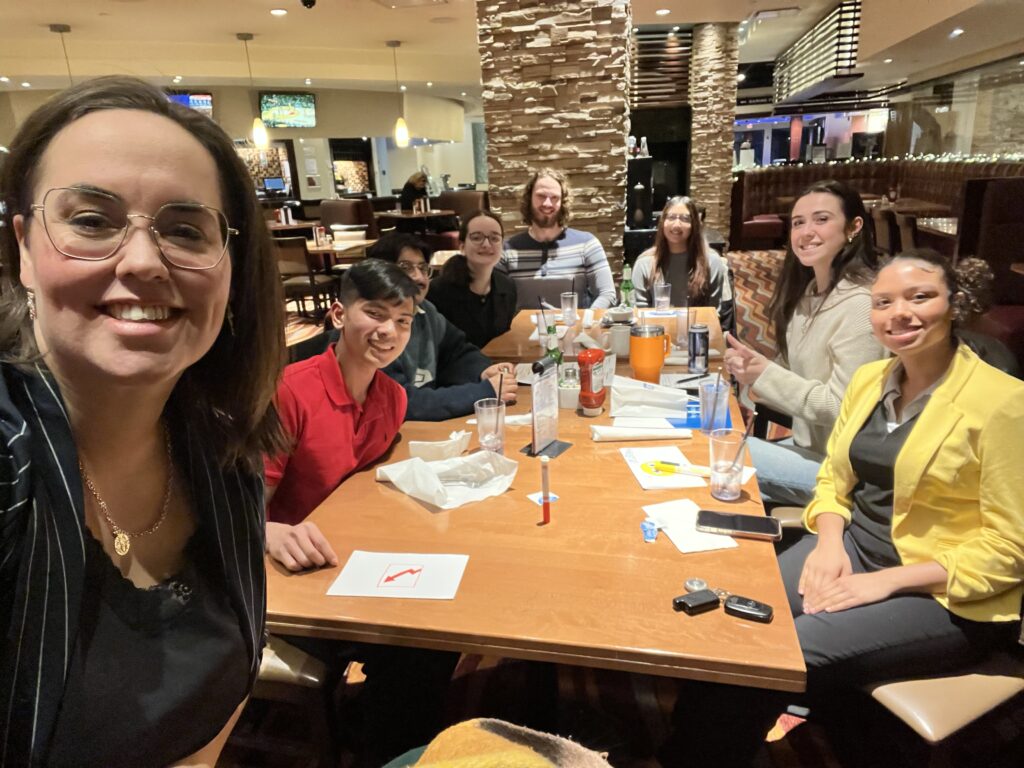
Earlier this year, I ran a series of Gen Z professional meetups – small gatherings where young professionals could speak openly about work without managers in the room. What I heard challenged a lot of the assumptions I was encountering on the other side of the generational divide.
The young professionals labelled “lazy” were often setting careful boundaries to protect their mental health and focus. Those written off as “unable to communicate” were navigating the long shadow of COVID and remote learning. The ones deemed “flaky” were usually juggling more than anyone knew.
The problem, in almost every case, wasn’t character. It was context. Two groups operating from different frameworks, with no shared language to bridge them.
Where to go from here
Bridging this gap doesn’t require abandoning standards – it requires interrogating whose standards we’re using and why. When a colleague’s communication style feels off, the more useful question isn’t “why are they being unprofessional?” but “are we working from the same definition?”
Creating shared norms – explicit conversations about how a team communicates, what responsiveness looks like, how feedback is delivered – removes a lot of the guesswork. So does recognising that behind every professional habit is an intention: respect, reliability, clarity. When we lead with the intention rather than the behaviour, it becomes much easier to meet each other halfway.
Professionalism isn’t one thing. The sooner we stop treating it like it is, the better our workplaces will be.
About the Author
Trina Boos is the Founder and CEO of Boost Academy of Excellence, where she helps professionals master workplace etiquette and business skills for today’s evolving work environment. Drawing from her experience as former CEO of Boost Agents, Trina has placed thousands of professionals in leading organizations across North America.
Want more workplace insights like this? Subscribe to our newsletter for practical tips delivered directly to your inbox.
Learn more about our training programs:
– Corporate Training Programs
– Individual Courses
