
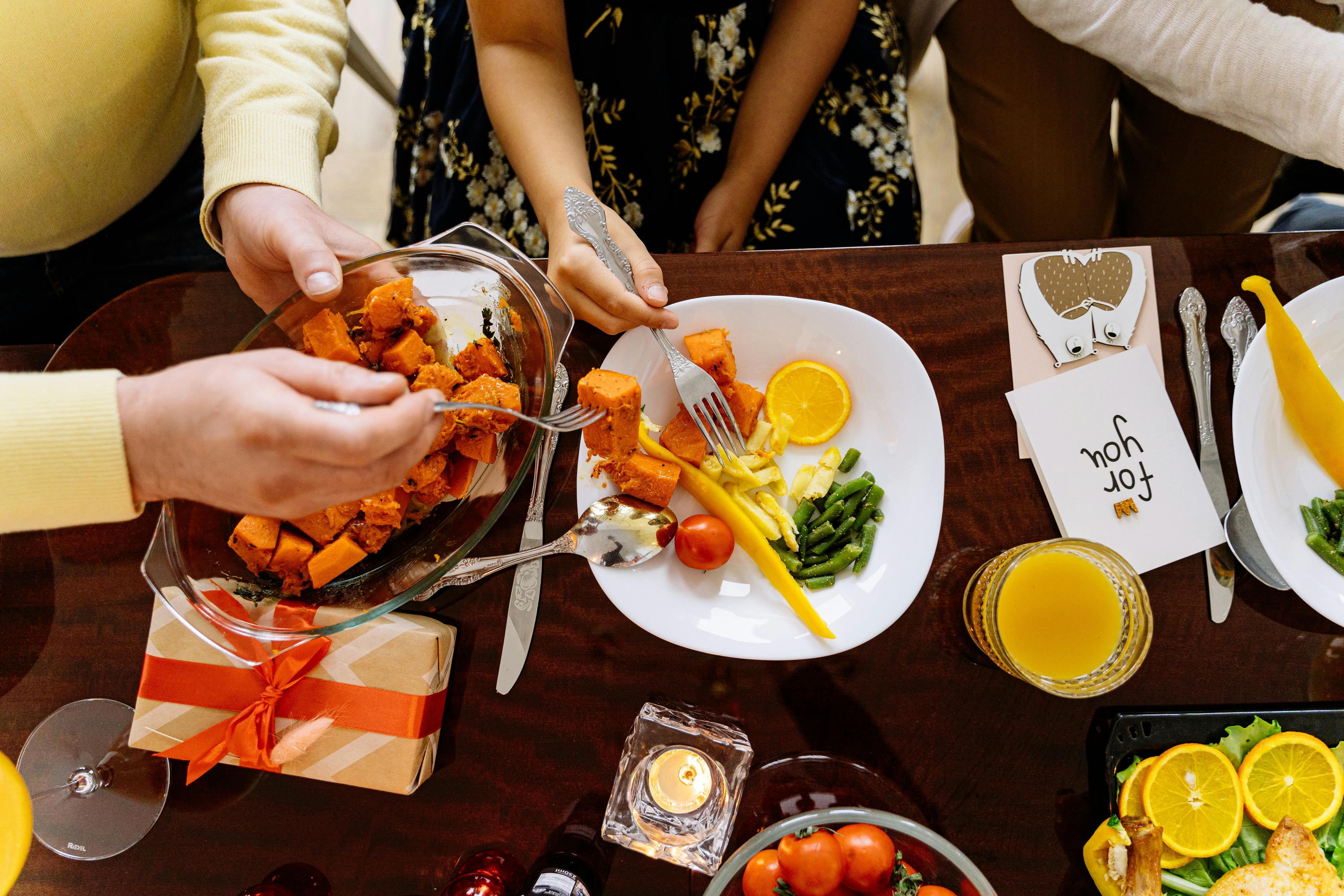
We spend a lot of time in the professional world talking about communication skills, executive presence, emotional intelligence. We send people to workshops. We invest in coaching. And yet some of the most quietly powerful professional skills – the ones that determine whether a client feels genuinely welcomed or merely processed, whether a meeting feels transactional or like the beginning of something – were never on any training curriculum. They were learned, or not learned, long before anyone’s first day of work. This is about where those skills actually come from, and what it looks like to take them seriously in a professional context.
It Started at the Table
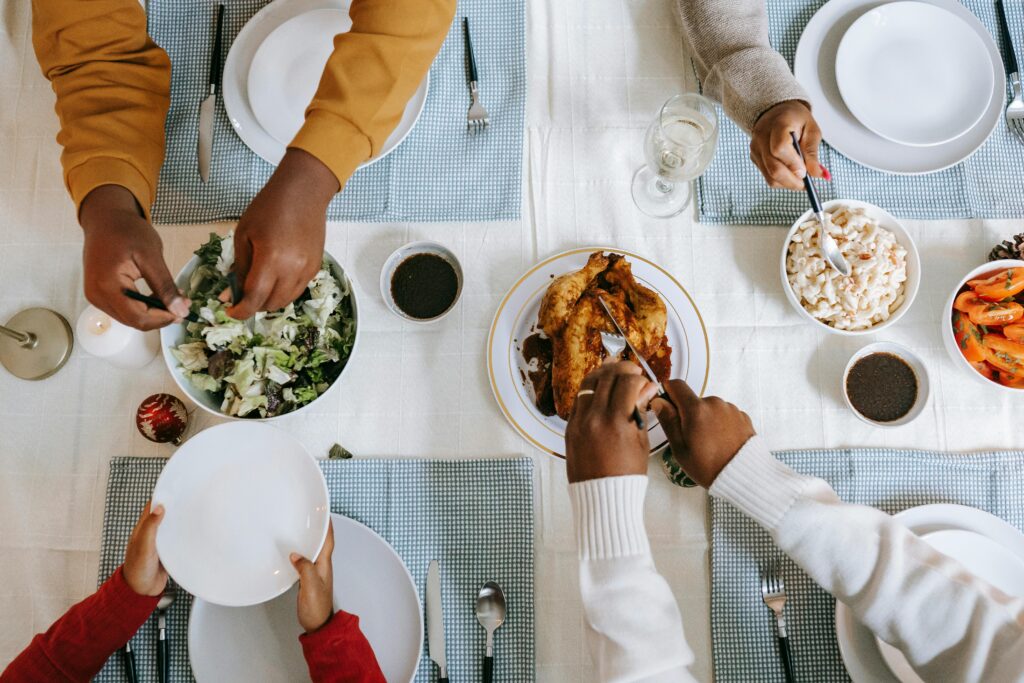
My family is from the Caribbean. And growing up in a part of the world known for its warmth and hospitality isn’t just a cultural detail – it’s formative. It’s literally in our blood to entertain, to host, to open our homes to others without a second thought.
In our house, almost every meal meant setting the table. A meal was an occasion to be celebrated, whether it was just our family or a house full of friends. And if someone came to the door while we were eating, they weren’t turned away – they were pulled up a chair, because there was always room for one more.
What I didn’t fully appreciate as a child was that those meals were doing something well beyond feeding us.
They were teaching us how to be present with people – how to listen, how to read a room and contribute to it, how to carry conversation, offer a point of view, and receive one gracefully. How to tell a story, and just as importantly, how to tell it well. There’s something about a table full of people that teaches you instinctively when to speed up and when to slow down, when you’ve got the room and when you’ve lost it. You learn to build to a moment, to land a punchline, to leave people wanting the next one. And alongside all of that, how to make someone feel genuinely welcomed – not just tolerated, but wanted. How to be a good guest: how to show up with gratitude, read when you’re needed and when to step back, and leave a table the way you found it, or better.
I believe deeply that this upbringing will serve my children in every professional room they walk into. And I’ve spent enough years training professionals to know exactly why.
The Skills the Classroom Never Covered
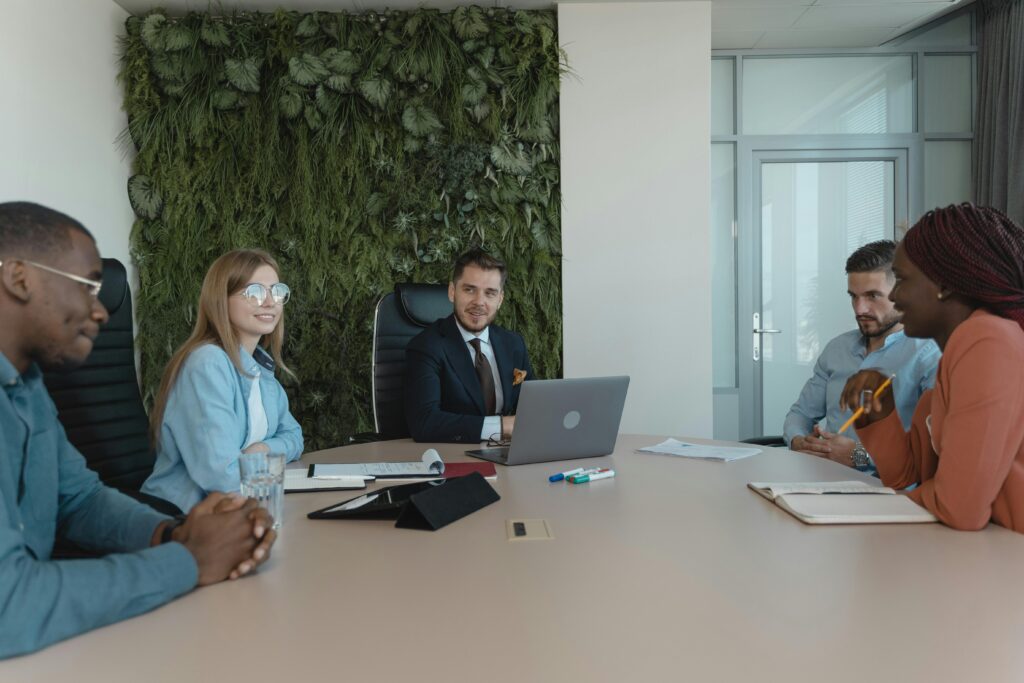
Here’s what I’ve observed after years of working with professionals across industries: some of the most fundamental relationship skills were never covered in a classroom or a workshop. They tend to come from lived experience – from the environments where we first learned to be present with people, to listen, to make someone feel welcome. And yet these are exactly the skills the professional world asks of us every single day.
When a client walks into your office and is greeted warmly, offered a seat, handed a glass of water without having to ask – that’s hosting. When someone new joins a team lunch and you make sure they’re included in the conversation, that’s hosting too. When you’re the guest in someone else’s boardroom and you arrive on time, come prepared, and leave them better than you found them – that’s being a good guest. These are skills, and like most skills, they transfer.
The child who grew up at a table where guests were always welcomed learns, eventually, how to walk into a client meeting and make the other person feel like the most important person in the room. None of this is accidental.
A Story I’ve Never Forgotten
Early in my career, I worked for a startup that was hosting a significant visitor: the wife of a legendary CEO, an SVP of a major Canadian retail brand, coming to our office for a video shoot. This was a moment that mattered.
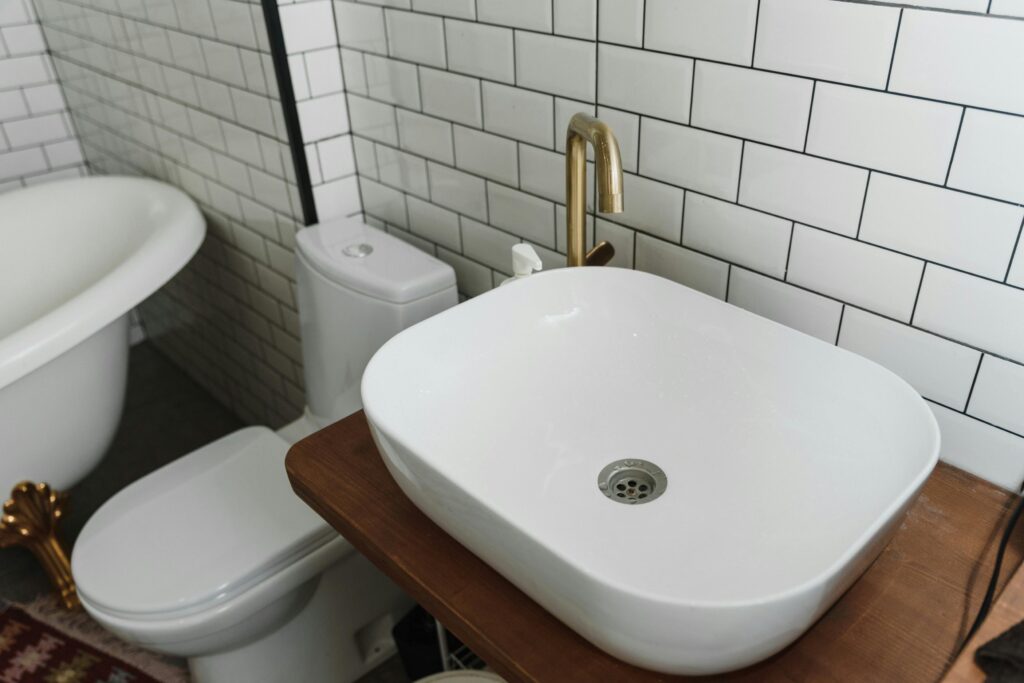
Before she arrived, I walked into the shared washroom. I’ll spare you the details, but the space did not reflect the calibre of guest we were about to welcome. So I did what felt obvious to me – and apparently wasn’t obvious to everyone else. I gathered the team, including the partners of that company, and gave a quick lesson on washroom standards when hosting. Not because I wanted to embarrass anyone, but because I understood something that doesn’t always make it into the professional playbook: every corner of your space is part of the impression you make.
When you host, you host the whole experience.
A Few Principles Worth Keeping

Whether it’s a client visit, a boardroom presentation, or a team offsite, the fundamentals don’t change much.
Walk the space before they arrive. Sit in the chair they’ll sit in. What do they see from that seat? What’s on the table, what’s the temperature in the room, and what will they need the moment they walk in – water, a place to set their bag, a clear sense of the agenda? The goal is to think through the experience entirely from their perspective, not yours. Most hosts think about what they’re presenting. The best hosts think about what the guest is receiving.
Check the washroom. I’ll never stop saying this. It is the detail most people overlook and the one that quietly signals whether an organization sweats the small stuff or doesn’t. Check it, clean it, stock it – every time.
Have the right person at the door. Not someone scrambling from across the office, not an assistant the guest has never met. Someone who matters in the relationship should be present, composed, and ready when they walk in. That first moment sets the tone for everything that follows.
Make the room feel easy before business begins. A room that’s too formal creates distance. A room with no warmth creates unease. A genuine welcome, proper introductions, a moment that communicates we’re glad you’re here – these cost nothing and change everything.
Follow up like it mattered. Because it did. A note, a message, something specific that closes the loop and tells them you noticed the effort they made to show up. The meeting ends, but the relationship continues – and how you close one interaction determines how the next one opens.
The Bigger Point
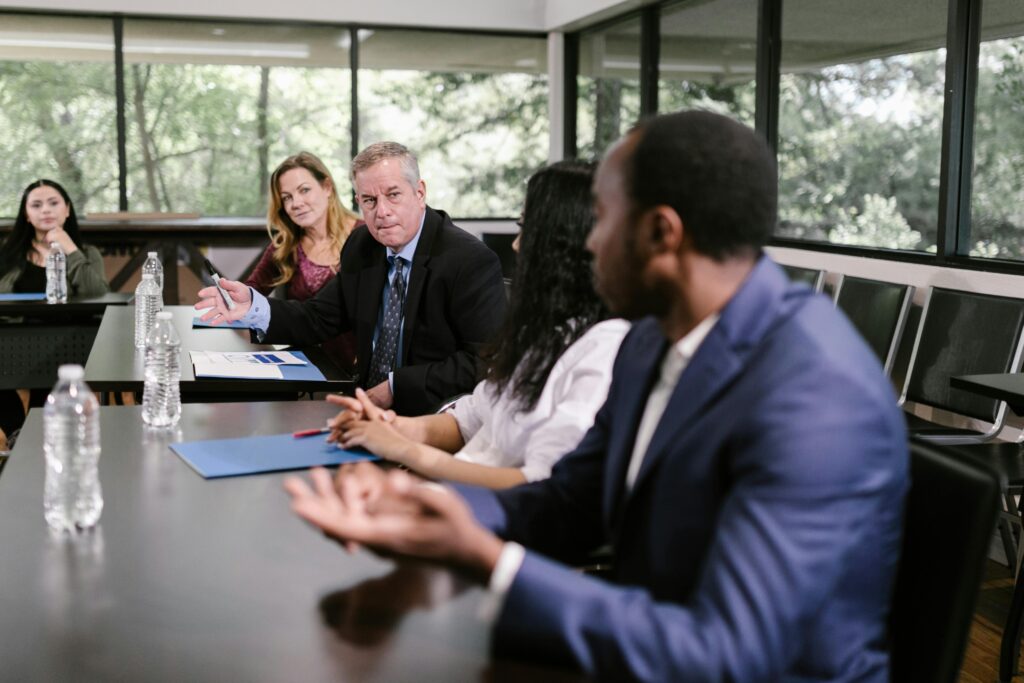
Professional hosting isn’t a soft skill or a nicety. It’s a signal of how seriously you take the people you’re in business with. And like most things that matter, it’s easier to build when someone showed you how early – at a table, over a meal, in a home where the door was always open.
If that wasn’t your experience, it’s not too late. Start paying attention to how it feels to be hosted well, and how it feels when no one bothered. That gap is the whole lesson.
The dinner table, it turns out, was always a training ground. Most of us just didn’t know to call it that.
About the Author
Trina Boos is the Founder and CEO of Boost Academy of Excellence, where she helps professionals master workplace etiquette and business skills for today’s evolving work environment. Drawing from her experience as former CEO of Boost Agents, Trina has placed thousands of professionals in leading organizations across North America.
Want more workplace insights like this? Subscribe to our newsletter for practical tips delivered directly to your inbox.
Learn more about our training programs:
– Corporate Training Programs
– Individual Courses
